Ask what kind of price you have received
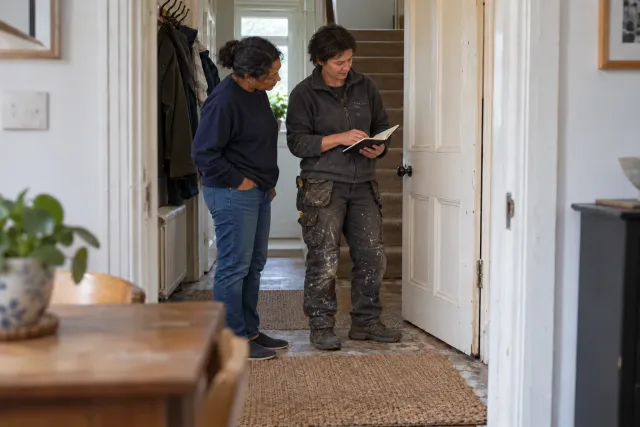
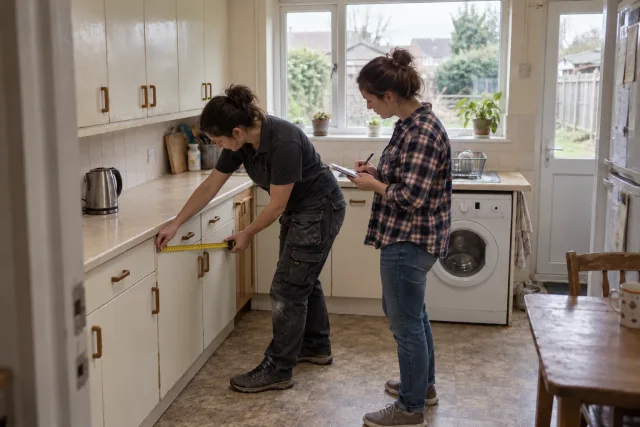
Two documents can have similar totals and mean different things. One may price a defined job, while another is an early indication based on photographs. Before comparing the numbers, ask each business whether it is providing a quotation or an estimate, what information the price relies on and what still needs inspecting.
Citizens Advice's England guidance distinguishes a quotation for an agreed price from an estimate that is an approximate figure. It explains that accepting a quotation can form a binding agreement and that circumstances such as agreed additional work can affect the price. Read the full guidance linked below for that jurisdiction. Contract questions depend on your circumstances, so get appropriate local advice if an agreement or dispute is unclear.
Build a simple comparison sheet
Create one column per business and one row per part of the job. You do not need specialist software. A sheet of paper is enough if you can see the differences clearly. Start with the main outcome, then the materials, preparation, installation, finishing and removal of old materials. Copy the actual wording instead of assuming that a short phrase includes everything.
For a bathroom project, supplied and fitted might still leave questions about the chosen fixtures, wall preparation, flooring, electrical work and decoration. Put an unanswered question in the sheet rather than filling the gap yourself. Ask for a revised document once those points are agreed so that the final comparison reflects what each business has actually offered.
- What is included, excluded or still awaiting inspection?
- Which product, quantity or specification is assumed?
- Is VAT included where applicable, and is the final payable total clear?
- Who arranges deliveries, access equipment and waste removal?
- How long is the price available, and what happens if the scope changes?
Turn allowances into useful questions
An allowance is a prompt for a decision, not a reason to panic. If a quote includes an amount for tiles before you have selected them, ask what that allowance buys and whether it includes associated materials. If you later choose something different, ask how the difference will be calculated and recorded. This is easier to discuss while you are still comparing options.
Separate your preferences from unknown site conditions. Choosing a more expensive tap is different from discovering damage beneath an existing floor. Ask the business how it would investigate an unknown, when it would stop for a decision and how it would price any extra work. Do not ask someone to pretend a concealed condition is known merely to produce a neat total.
Compare timing and payment as carefully as price
A price is only one part of an arrangement. Ask about the proposed start window, expected sequence and the decisions you must make before work can begin. If the work depends on made-to-order products, find out who checks dimensions and who confirms delivery. Keep your own deadline separate from a start date that the business has actually agreed.
Make payment stages easy to understand. Ask which completed piece of work or delivered item each payment relates to, what paperwork you receive and who you contact if a milestone is disputed. If any substantial advance payment is proposed, take time to understand the reason and seek consumer guidance before agreeing. This guide does not assess payment protection or recommend a particular payment method for your situation.
Record a change before it becomes a surprise
Imagine that, during a decorating job, you ask for an additional room. A useful change record says which room, what preparation and finish are included, the agreed price and any effect on the finish date. Save the customer's approval alongside the revised scope. A short, specific record helps everyone remember the same decision.
Before accepting a proposal, read it from the perspective of someone who was not at the site visit. Could they tell what is included and what remains undecided? Ask for clarification wherever the document relies on a conversation you remember differently. Once you choose a business, tell the others politely and retain your agreed documents in one place.
Sources and further reading
Checked when this guide was prepared. Follow the relevant source for current requirements in your part of the UK.